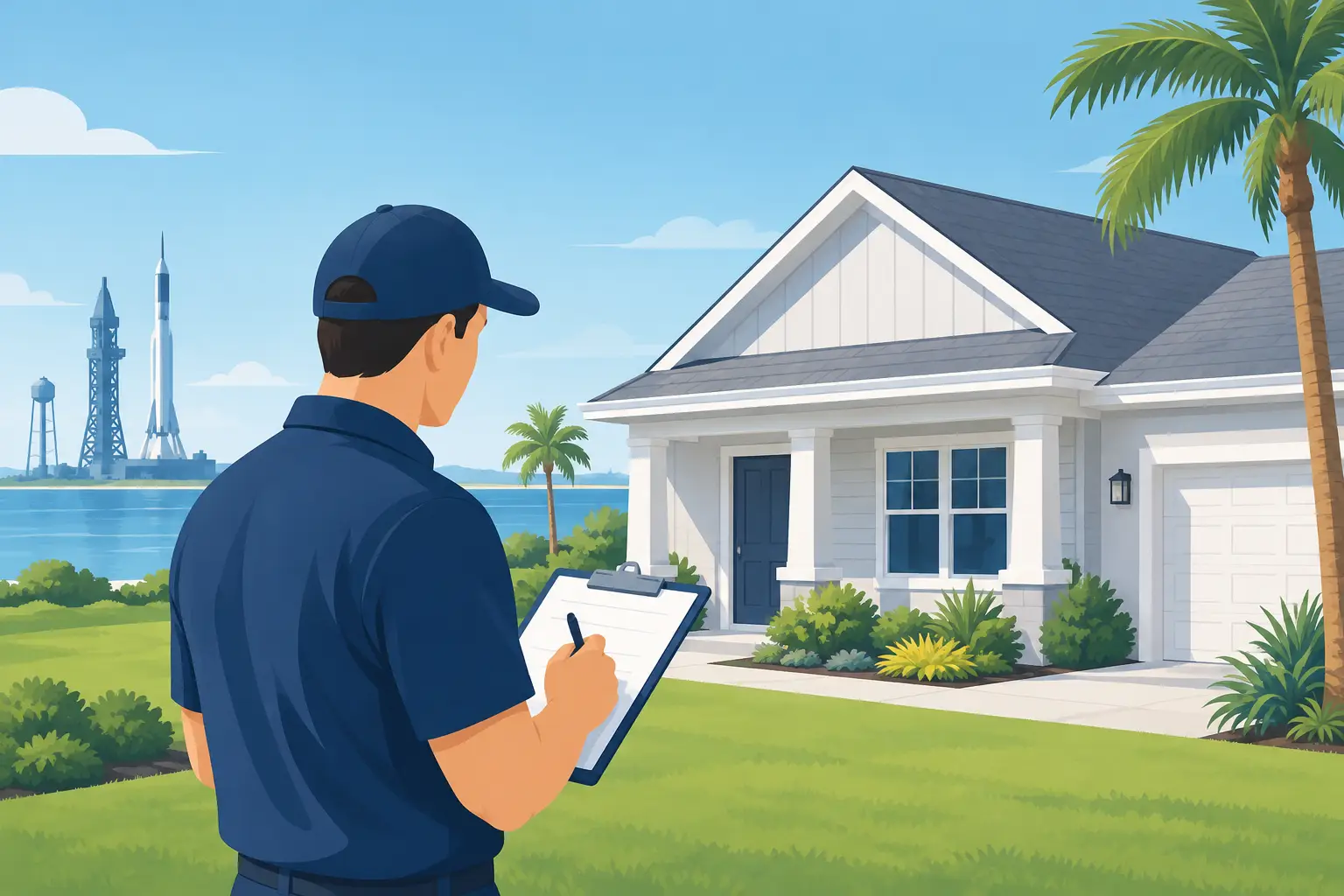
A beautiful home can feel like the right one the moment you walk through the front door. Then the inspection report arrives with dozens of photos, technical terms, and recommendations. A thoughtful home inspection guide helps turn that moment from overwhelming into manageable, so you can understand what the home needs and make a clear decision before closing.
What a Home Inspection Does – and Does Not Do
A general home inspection is a visual review of a property’s accessible systems and components. The inspector is looking for material defects, safety concerns, signs of moisture intrusion, aging equipment, and conditions that may need repair, further evaluation, or routine maintenance.
Most inspections cover the roof, exterior, foundation, attic, plumbing, electrical systems, heating and cooling equipment, interior rooms, doors, windows, and visible insulation. The inspector will test many installed features, but they cannot see behind walls, predict exactly when an appliance will fail, or guarantee a home is free of every defect.
An inspection is also different from an appraisal. An appraisal supports the lender’s valuation of the property. An inspection protects your understanding of the property’s condition. A home can appraise at or above the purchase price and still have repair needs worth addressing.
For buyers, the real value is perspective. Nearly every home, including a well-maintained newer property, will have findings. The goal is not to demand a flawless house. It is to identify concerns that affect safety, cost, function, or your willingness to move forward.
Know When a Specialist Is Needed
Your general inspector may recommend another professional when a concern falls outside the scope of a standard inspection. That recommendation is not automatically a reason to walk away. It is a signal to get better information before making a decision.
Depending on the age and features of the property, buyers may need a roofing contractor, licensed electrician, HVAC technician, plumber, structural engineer, pool professional, septic specialist, or pest inspector. In Florida, a wood-destroying organism inspection is commonly requested, and buyers seeking certain insurance coverage may also need four-point and wind mitigation inspections. These are separate services with their own purpose, and it helps to discuss which ones fit the specific home before your inspection period starts.
Prepare Before the Inspection Appointment
Schedule the inspection as early as possible after your contract is accepted. Inspection timelines move quickly, especially when additional specialists need to visit the property. Waiting until the last few days can leave little time to gather estimates, negotiate, or make a fully informed choice.
If your schedule allows, attend the final portion of the inspection. You do not need to follow the inspector through every crawl space or attic, but being present for the walkthrough gives you a chance to see key findings firsthand. A short explanation beside an electrical panel or air handler often makes far more sense than a paragraph in a report.
Bring practical questions: How urgent is this? Is the issue active or simply a maintenance item? What is the likely next step? A good inspector can explain the condition they observed, while a specialist can define repair methods and pricing when needed.
Ask the seller for useful records before or during the inspection period. Permits, roof age documentation, HVAC service history, warranties, and receipts for major improvements can fill in details that are not visible during a single visit. Records do not replace an inspection, but they can clarify the age and maintenance history of expensive systems.
How to Read Your Home Inspection Report
Inspection reports can look more alarming than they are. Many inspectors document every observed issue, from a loose outlet cover to a roof near the end of its expected service life. Read the report carefully, but resist the urge to treat every comment as equal.
Start by separating findings into three practical categories: major concerns, items needing further evaluation, and routine maintenance. A missing caulk joint, worn weatherstripping, or a slow-draining sink may belong on your future home maintenance list. Active water intrusion, an unsafe electrical condition, or a failed cooling system deserves a more immediate response.
Photos are especially helpful. Look at where the issue is located, whether there are signs of ongoing damage, and whether the condition appears isolated or widespread. Then review the report with your Realtor to prioritize the findings in the context of the home’s price, age, condition, and local market competition.
Findings That Usually Deserve Prompt Attention
Every property is different, but these findings usually merit a closer look before you release inspection contingencies:
- Active roof leaks, significant roof deterioration, or evidence of moisture entering the attic
- Structural movement, foundation concerns, or visible cracking that may require engineering review
- Unsafe electrical conditions, including outdated panels with known concerns, exposed wiring, or improper connections
- Plumbing leaks, sewer line issues, or signs of repeated water damage beneath sinks, around toilets, or behind walls
- HVAC systems that are not operating properly, particularly in Florida’s warm and humid climate
- Evidence of termites, wood rot, mold-like growth, or moisture conditions that could support future damage
Not every item on this list means the transaction should end. A roof may be nearing replacement age but still have time left, while a minor plumbing repair may be straightforward. The key question is whether you understand the scope, cost, and risk well enough to proceed comfortably.
Turning Inspection Findings Into a Smart Negotiation
After reviewing the report and any specialist evaluations, you generally have several paths forward. You may accept the property as it is, ask the seller to complete specific repairs, request a credit toward closing costs, negotiate a price reduction, or decide the home no longer fits your plans.
The best option depends on the issue. Seller repairs can be helpful for clear safety concerns, but they require coordination and documentation. A credit can give you more control over who completes the work after closing, although it must fit your loan guidelines and available closing costs. A price reduction may be valuable, but it does not put cash in your hand for an immediate repair.
Keep requests focused on meaningful items supported by the inspection. Asking for a long list of cosmetic updates can distract from concerns that truly affect the home’s condition. In a competitive market, sellers may be less flexible, while a home that has been available longer may offer more room for a constructive agreement.
Contract language matters, including the inspection deadline and the terms of an “as is” sale. “As is” does not mean you must ignore defects or cannot negotiate. It generally means the seller is not promising to make repairs, and your rights depend on the contract provisions and timelines. Your Realtor can help you organize requests, communicate professionally, and keep the process moving without losing sight of your goals.
Extra Considerations for Space Coast Homes
Coastal Florida homes deserve attention to moisture, wind exposure, drainage, and exterior maintenance. Salt air can accelerate corrosion on metal components, exterior hardware, garage doors, and HVAC equipment. Older homes may also have systems that remain functional but no longer meet current expectations for insurance or long-term ownership.
For condos and townhomes, the unit inspection is only part of the picture. Review the association’s financial information, rules, insurance coverage, reserves, planned projects, and potential special assessments. A well-kept unit can still be affected by building-wide roof work, concrete restoration, seawall needs, or other association responsibilities.
Buyers considering a vacation home should also think about what happens when the property is vacant. Ask about humidity control, storm preparation, pool care, pest prevention, and who will check on the home when you are away. These operating details can influence your comfort and ownership costs as much as the inspection report itself.
Keep the Final Walkthrough Focused
Before closing, use the final walkthrough to confirm the home is in substantially the agreed-upon condition. Verify that negotiated repairs were completed, requested items remain in the home, and no new damage occurred after the inspection. If work was done, collect paid invoices, warranties, permits when applicable, and any documentation agreed upon during negotiations.
A home inspection should not take the excitement out of finding your dream home. It should give that excitement a solid foundation. With the right questions, qualified professionals, and personal guidance from Margarett Klein, you can move toward closing with a clearer view of both the home you love and the responsibilities that come with owning it.
Thanks for reading my blog! Ready to take it to the next level? Whether you’re buying, selling, or just dreaming about your next move, I’m here to help. Let’s turn that scrolling into a showing! 🏡
Looking for your next home? Click the website link below to explore available homes on Florida’s Space Coast:
https://margarettsellsdreamhomes.com/
Want home tours, helpful tips, and a little Space Coast fun? Click my YouTube link below—and don’t forget to like and subscribe!
https://www.youtube.com/@DreamhomesSpaceCoastFlorida
Have questions? Call or text anytime!
Call: 321-480-7662
Text: 321-480-7662
Prefer email? Click my email address to send me a message:
margarett.klein@exprealty.com
Thanks again from your favorite Space Coast Realtor, Margarett Klein!
REALTOR® | Certified Mentor | ICON Agent
eXp Realty LLC
Leave a Reply